There was a noticeable sense of ambition in Toronto last week.
Global investors, Canadian business leaders, the Prime Minister and Canada’s Premiers gathered for the Canada Investment Summit, against the backdrop of a very different global economic environment than we faced even a few years ago. Capital is moving. Supply chains are changing. Countries are looking more closely at economic security, energy, critical minerals and the infrastructure required to move goods to market.
For Manitoba, there is an important question in all of this: how do we capture our share of the investment coming to Canada?
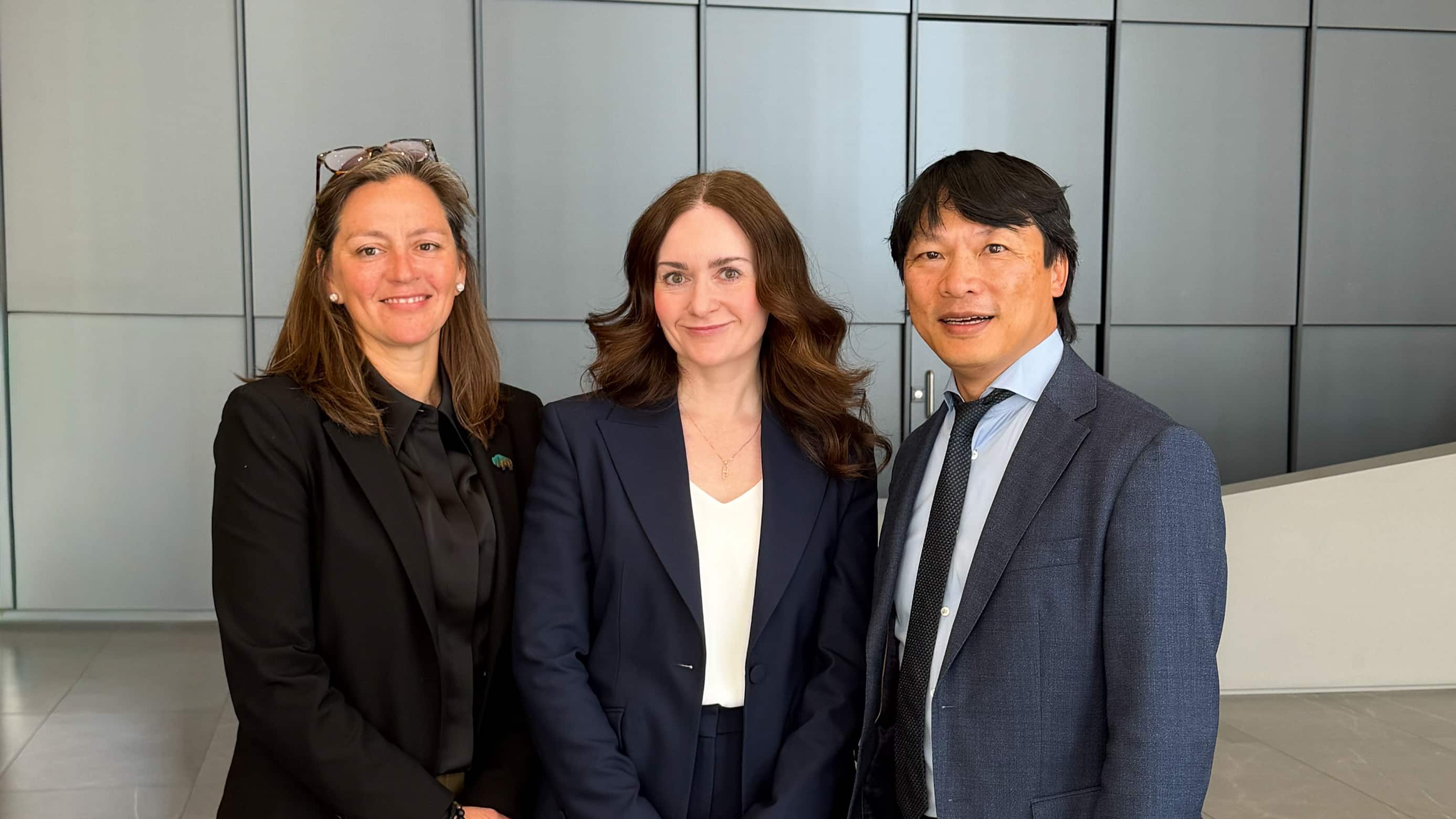
I was pleased to be in Toronto with Manitoba Chambers of Commerce Board members Stacy Kennedy and Chris Avery as part of a broader Manitoba delegation that included Premier Wab Kinew, Indigenous leaders, business leaders and project proponents.
We had the opportunity to attend the Canada Investment Summit welcome reception and hear directly from Prime Minister Mark Carney. His message was one of confidence in Canada’s position at a time of considerable global uncertainty: Canada has resources, energy, talent, technology and strong institutions, and the federal government has set an ambition of catalysing $1 trillion in investment over the next five years.
The scale of the opportunity is significant. But so is the competition.
Manitoba has a compelling proposition
Manitoba has many of the things investors are looking for right now.
We have significant critical mineral resources. We have clean and reliable electricity. We have strengths in agriculture, advanced manufacturing, aerospace and other strategic industries. We have major infrastructure opportunities and Indigenous economic leadership.
And we have something particularly distinctive: access to tidewater through the Port of Churchill.
At the Canadian Global Growth Forum, which the Manitoba delegation attended alongside the Summit, Premier Kinew made the case for Manitoba directly to investors and business leaders. Port of Churchill Plus was a significant part of that conversation.
The opportunity extends well beyond the port itself. It is about connecting rail, energy, critical minerals and other Canadian resources to global markets through a northern trade
corridor. The Province also announced that major capital investments associated with Port of Churchill Plus will be exempt from provincial sales tax.
That matters because investors are looking for more than good ideas and ambitious projects. They are looking at whether projects are investable and whether jurisdictions are prepared to create the conditions that allow capital to move.
Assets alone aren’t enough
That may be the most important takeaway from our time in Toronto.
Having an asset in the ground or an opportunity on paper does not, by itself, create economic growth. Capital is required to develop it. Infrastructure is required to move it.
Markets are required to buy it. And partnerships are required to make increasingly complex projects possible.
Manitoba is competing for that capital with jurisdictions across Canada and around the world.
That means we need to be able to clearly articulate why an investor should choose Manitoba. We need competitive tax and regulatory environments. We need infrastructure that supports growth. We need sufficient energy and a skilled workforce. And we need governments, Indigenous partners, communities and business pulling in the same direction when there is a project we collectively want to see move forward.
That last point was particularly evident in Toronto.
There was value in having Manitoba represented by government, Indigenous and business leaders together. Investors need to understand not only what we want to build, but whether we have the alignment and partnerships necessary to actually build it.
From potential to investment
Investment summits are ultimately only a starting point.
The immediate measure of success is not whether an investor signs a cheque before leaving Toronto. Major investments are developed over years, not days.
Success begins with getting Manitoba opportunities in front of the right decision-makers. It means developing relationships, understanding what investors need to see and following those conversations after everyone has gone home.
Ultimately, however, we should measure success in capital deployed, projects built, businesses growing and jobs created here in Manitoba.
There is considerable attention on Canada right now. Our job is to make sure Manitoba is part of that investment story.
We have the assets.
Now we need to connect them, make the case for them and create the conditions that turn Manitoba’s economic potential into economic activity.
Elisabeth Saftiuk
Acting President & CEO
Manitoba Chambers of Commerce