Brandon is a regional economic hub, bringing together agricultural strength, advanced manufacturing, transportation infrastructure, and strategic assets. Situated at the crossroads of the Trans-Canada and Yellowhead highways, with access to major rail networks, the region connects businesses to markets across Canada and beyond. These advantages position Brandon and the Westman region for significant economic growth, driven by expanding defence operations, established manufacturing capabilities, and emerging opportunities in agriculture and innovation. Realizing this potential will require continued investment in people, infrastructure, and business capacity to turn regional strengths into lasting economic opportunity.
During the Manitoba Chambers of Commerce’s Economic Development Tour of Brandon, three priorities emerged: strengthening the workforce, improving supply chain reliability, and ensuring infrastructure keeps pace with economic growth.
Realizing Brandon’s economic potential will depend on addressing these foundational needs and creating the conditions for businesses to grow, invest, and compete.
These priorities extend well beyond the Westman region. They reflect broader considerations for Manitoba’s ability to attract investment, expand production, and strengthen its competitiveness.
Growing Manitoba’s Workforce
“We need people.”
That was the message that Brandon’s Mayor Jeff Fawcett’s consistently shared throughout the tour and was echoed by employers, educators and healthcare leaders in the community.
Meeting that need requires more than attracting workers to the region; it also means ensuring local institutions have the capacity to train and prepare people for the jobs employers need to fill.
At Assiniboine College, participants learned how the institution works closely with industry to identify workforce gaps and develop innovative programs that respond directly to labour market needs. Programs such as Mechatronics and Medical Laboratory Technology reflect this approach, equipping students with specialized skills in high-demand fields.
Yet changes to international student policies have significantly reduced enrolment, limiting the number of graduates entering Manitoba’s workforce. Plans for additional student housing have also slowed as anticipated enrolment has declined.
The implications extend beyond the college. Fewer students graduating into high-demand occupations means fewer skilled workers available to support Manitoba’s industries and communities.
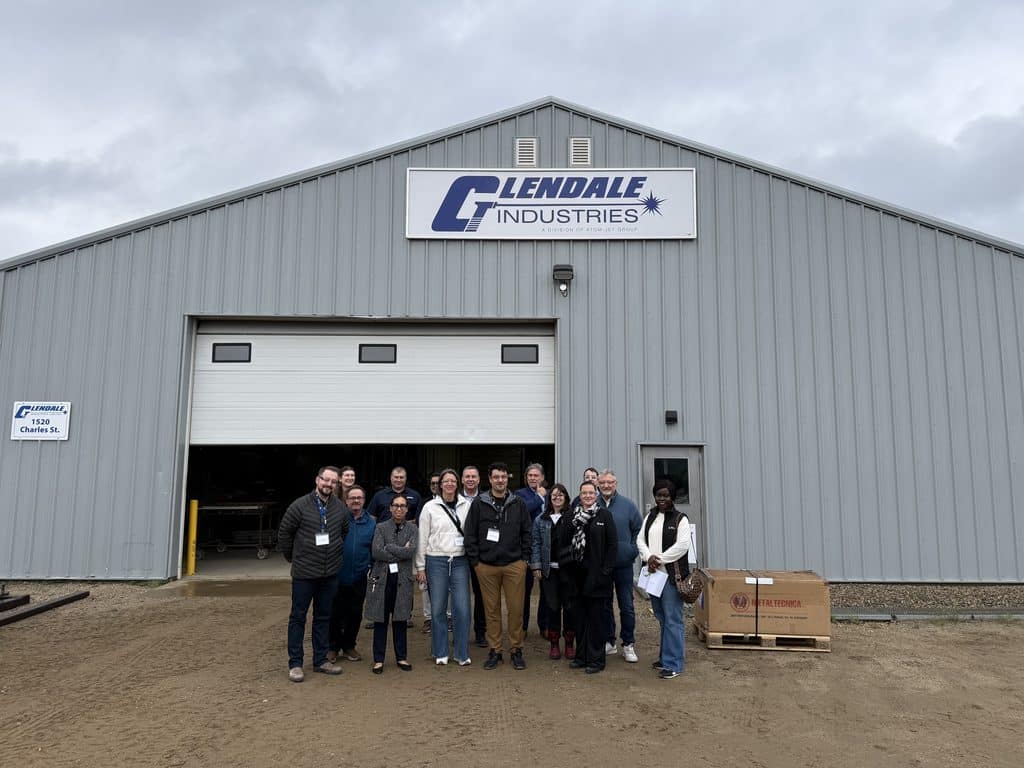
At Glendale Industries, a manufacturer of specialized trucks and tankers, workforce availability is directly limiting production capacity. The company has relied on immigration to recruit employees but continues to struggle to find enough workers to meet demand.
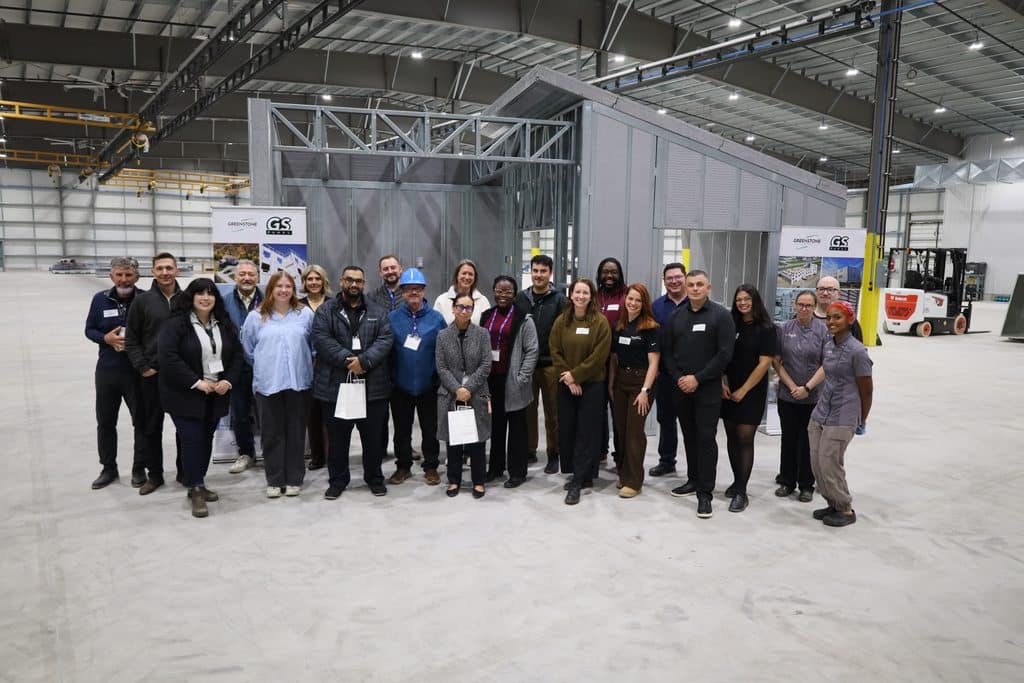
Greenstone Building Products shared a different experience. The building technology manufacturer has strong employee retention and no immediate hiring needs, but immigration has been instrumental in building its existing workforce.
Similar themes emerged at the Brandon Chamber of Commerce’s Healthcare Luncheon, where representatives from Prairie Mountain Health and Brandon Clinic discussed physician recruitment and retention. Attracting healthcare professionals is only part of the equation; housing, employment opportunities for spouses and welcoming communities all contribute to keeping them in the region.
Together, these conversations reinforced the importance of aligning immigration, education and workforce development with the needs of Manitoba’s businesses and communities.
Supply Chain Reliability Matters as Much as Cost
For manufacturers, access to essential materials is another important factor in maintaining competitiveness. While cost remains a key consideration, the ability to source materials reliably and get them when they are needed can be just as important. Delays, shortages, and unpredictable delivery timelines can disrupt production schedules, increase operating costs, and make it more difficult for businesses to meet customer commitments.
For businesses operating in Manitoba, supply chain reliability also depends on strong transportation networks and dependable connections to suppliers and markets. Maintaining these connections is essential to keeping production moving, supporting business growth, and ensuring manufacturers can compete in an increasingly complex economic environment.
At Glendale Industries and Greenstone Building Products, participants heard similar concerns about the increasingly limited and inconsistent availability of steel. Delivery timelines that once took three to five weeks can now stretch to four or five months, forcing businesses to order materials further in advance when possible. While rising costs remain a concern, the greater challenge is uncertainty around whether and when materials will be available, making it difficult for manufacturers to plan production, fulfill orders and invest confidently in future growth.
Supply chain challenges were also raised by Mary Ekman, CEO of Pizzey Flax, during World Trade Centre Winnipeg’s WTC Talks speaker series. She described difficulties securing manufacturing capacity in Canada and navigating delays involving cross-border supplies and services.
These experiences demonstrate why predictable access to materials and manufacturing capacity is essential for Manitoba businesses competing in national and international markets. Without that certainty, companies face greater challenges fulfilling orders, making investments and pursuing new opportunities.
Ensuring Infrastructure Keeps Pace with Growth
Brandon is attracting interest in new industrial, commercial and residential development, but realizing these opportunities depends on having the infrastructure to support them.
During a driving tour hosted by the City of Brandon, Mayor Jeff Fawcett and Gerald Cathcart, Director of Economic Development, highlighted opportunities associated with rail expansion, industrial development and the anticipated Portage transmission line. They also emphasized the need for transportation improvements, including highways and interchanges, to accommodate growing business activity.
For businesses considering investment or expansion, clear infrastructure plans and reliable timelines are critical. Coordination between governments, municipalities, and industry will help businesses plan with confidence and ensure infrastructure keeps pace with demand.
Infrastructure needs extend beyond transportation networks and industrial capacity. Accommodations and event facilities are also essential to supporting tourism, attracting visitors, and maximizing the economic impact of major events.
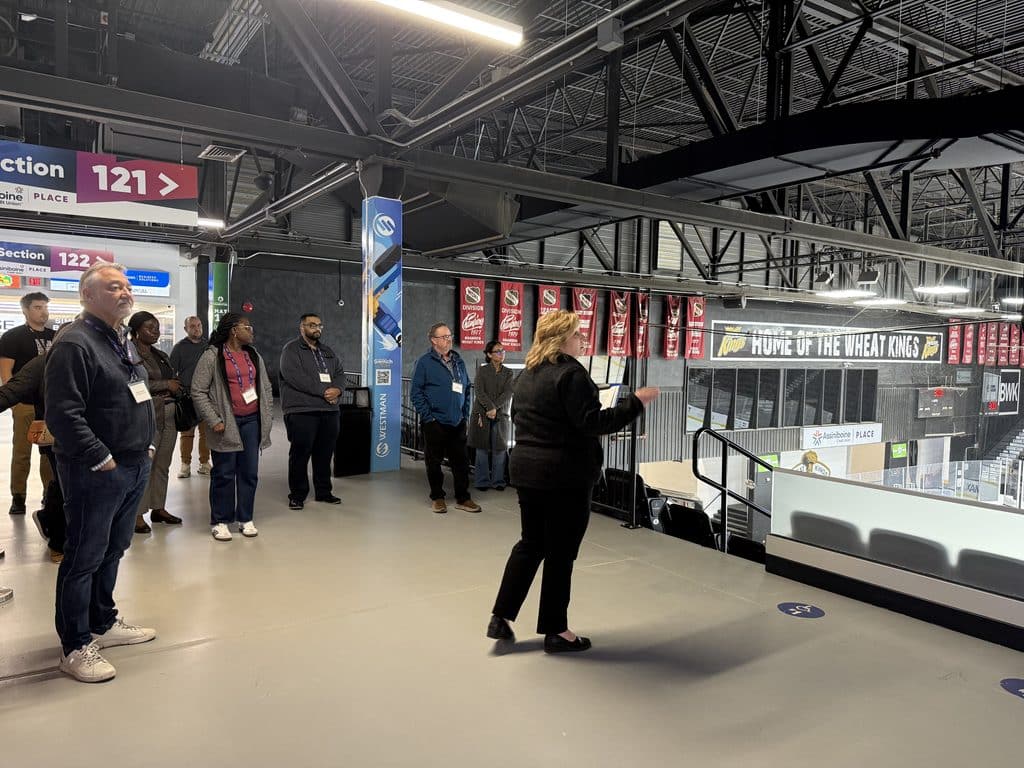
At the Keystone Centre, participants saw how the facility serves as a major economic driver for Brandon and Westman, attracting visitors through agricultural exhibitions, conferences and major events. Six agricultural events alone generated an estimated $78 million in regional economic activity, but a shortage of hotel accommodations is limiting opportunities for further growth. With major events already competing for available rooms, expanding accommodation capacity could help Brandon attract more visitors, host larger events and generate greater economic benefits for the region.
Ensuring infrastructure keeps pace with Brandon’s growth will be essential to attracting investment, expanding local industries and strengthening Westman’s contribution to Manitoba’s economy.
CFB Shilo: A Major Opportunity for Westman
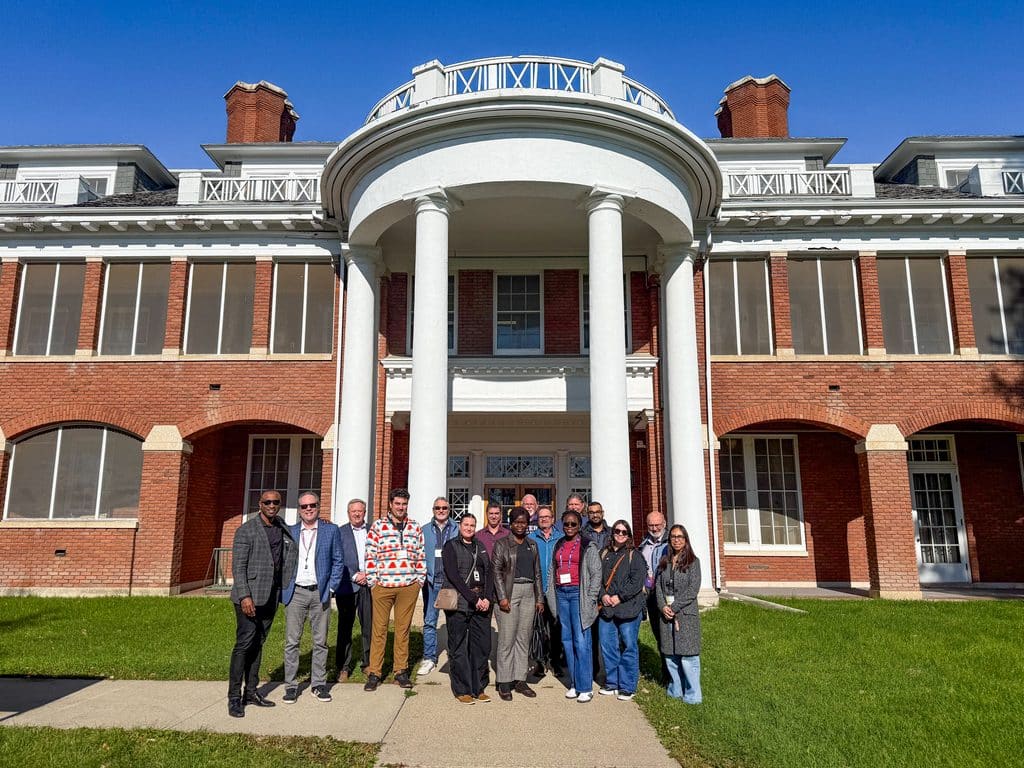
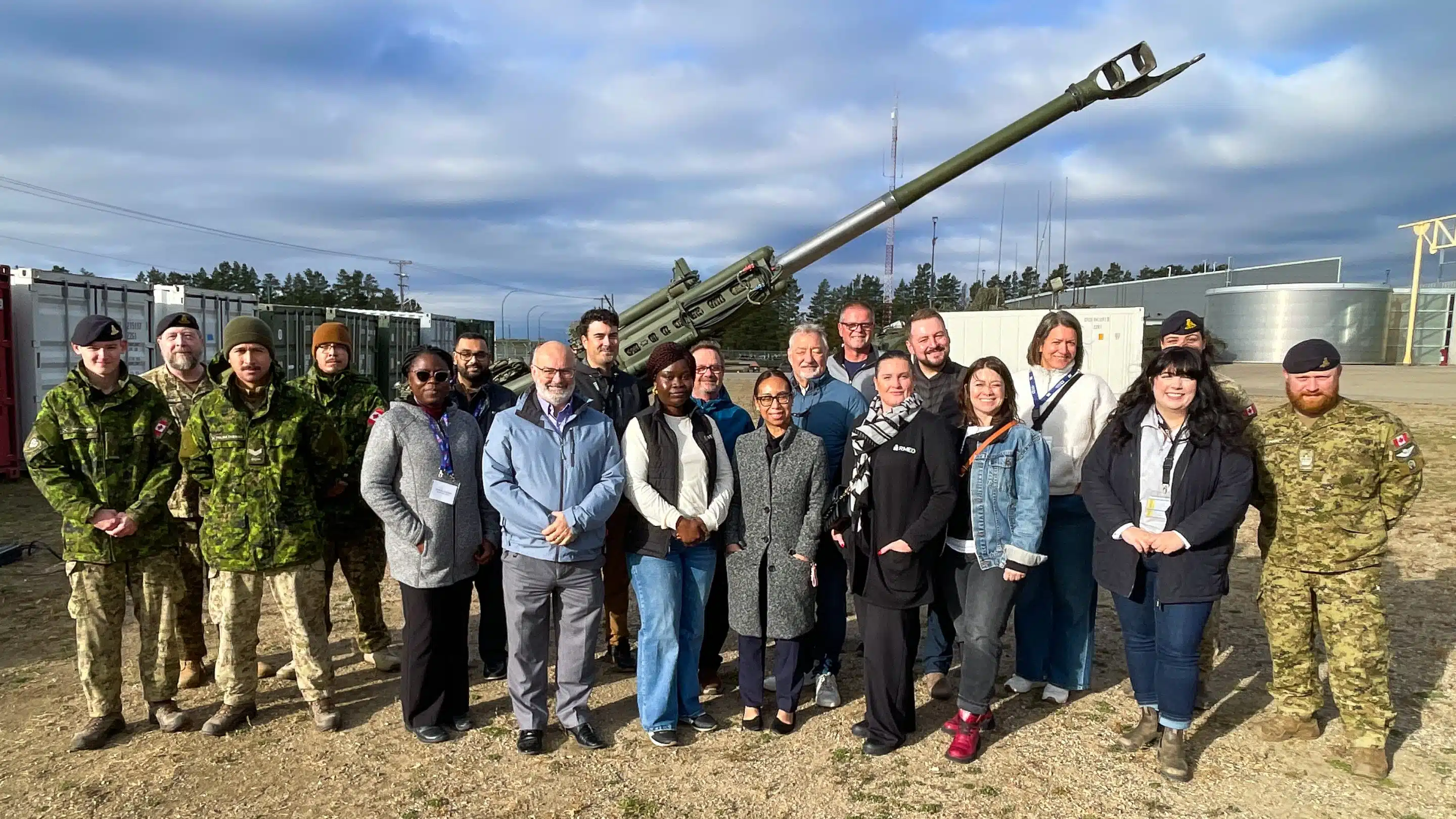
One of Brandon’s most significant growth opportunities is CFB Shilo, where expanding defence operations are expected to generate increased demand for housing, infrastructure and business services across the region.
The base anticipates approximately 1,100 additional military personnel over the next decade, alongside investments in facilities and community services.
Over the next three years, planned infrastructure projects include road and water treatment upgrades, new accommodations, a daycare, recreational facilities including hockey and curling space, and expanded health services. An additional 200 housing units have also been approved for development over a longer timeframe.
These investments have implications well beyond the base itself. More personnel and families will increase demand for housing, healthcare, education, retail and other services in Brandon and surrounding communities. Construction and infrastructure projects may also create opportunities for Manitoba contractors, suppliers and specialized businesses.
As Canada increases defence spending, CFB Shilo represents an opportunity for Westman to strengthen its role in the national defence economy.
Ensuring the region has the workforce, infrastructure and business capacity to support this expansion will be essential to realizing its full economic potential.
Building the Conditions for Westman’s Next Chapter
Brandon has the industries, educational institutions and strategic assets to play an increasingly important role in Manitoba’s economy. Its growing defence presence, established manufacturing sector and expanding educational opportunities provide a strong foundation for future investment.
Realizing that potential will require workforce and immigration policies that respond to regional labour needs, more reliable access to essential manufacturing inputs, and coordinated infrastructure planning that supports continued development.
With these conditions in place, Westman can expand its manufacturing capacity, strengthen agricultural supply chains, attract new defence-related investment and support the businesses and families that will contribute to its future.
By building on Brandon’s existing strengths and ensuring its infrastructure and workforce can support the opportunities ahead, Westman can become an even stronger contributor to Manitoba’s economic growth and competitiveness.
Thank you to Mayor Jeff Fawcett, the City of Brandon, Brandon Economic Development, the Brandon Chamber of Commerce, Assiniboine College, the Keystone Centre, CFB Shilo, Glendale Industries, Greenstone Building Products, World Trade Centre Winnipeg and the business and community leaders who welcomed our delegation and shared their perspectives.
MCC’s Economic Development Tours connect business leaders with the communities, industries and opportunities shaping Manitoba’s economy. Tours will return in 2027 to continue exploring economic opportunities in communities across the province.